1
Visited on the road home
Not Quite Ready to StopNew journal entry: Not Quite Ready to Stop (draft)
1
Visited on the road home
Not Quite Ready to StopNew journal entry: Not Quite Ready to Stop (draft)
1
Visited on the road home
Not Quite Ready to StopNew journal entry: Not Quite Ready to Stop (draft)
1
Visited on the road home
Not Quite Ready to StopNew journal entry: Not Quite Ready to Stop (draft)
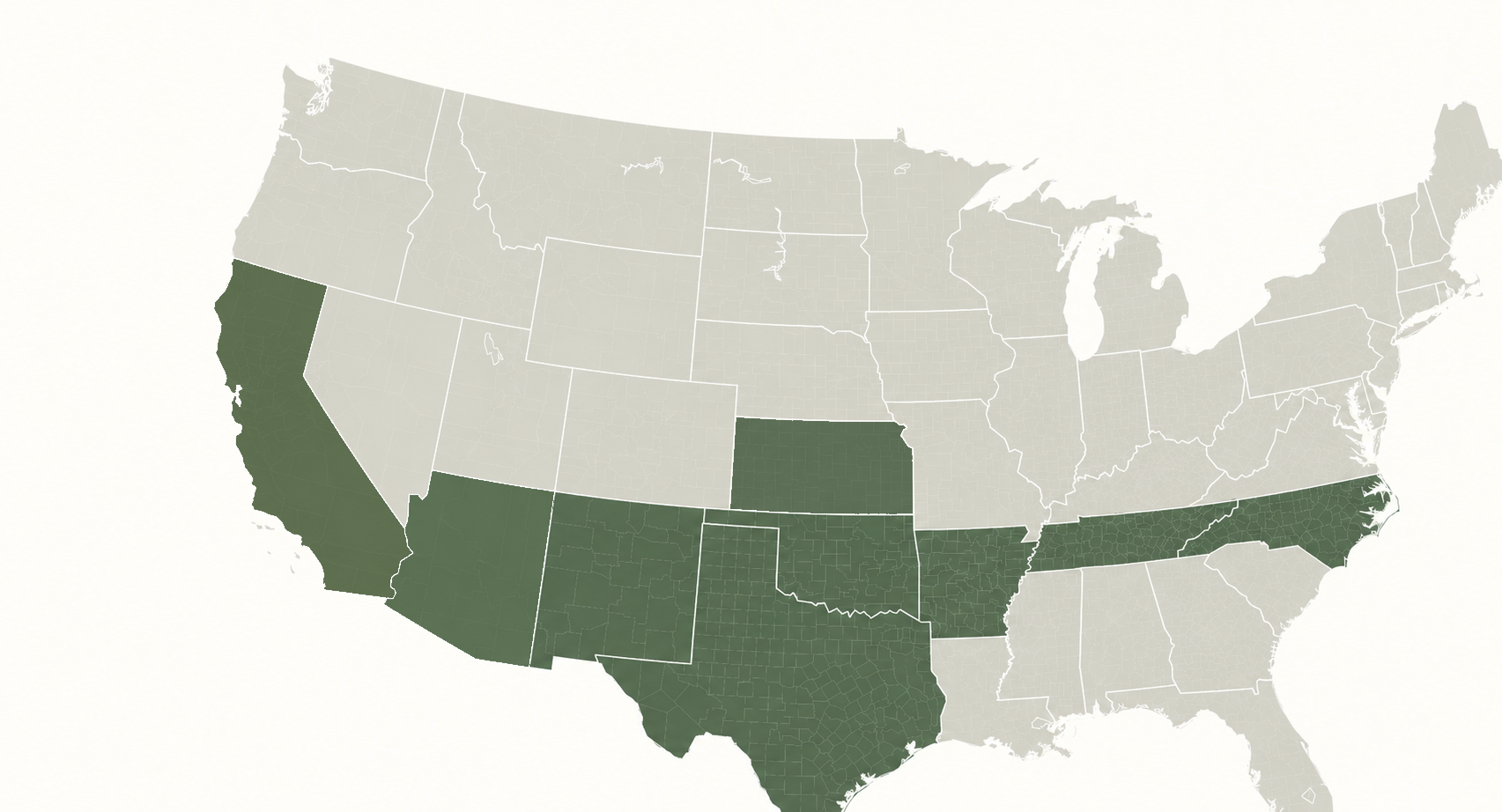
North Carolina: where the trip began · Tennessee and Arkansas: stories · Oklahoma: stories · Texas: drove through, with a whole-trip reflection · Kansas, Missouri, Illinois and Kentucky: visited on the road home · New Mexico: stories · Arizona: 6 stories · California: 4 stories — Joshua Tree
Before I really started the road home, I had dinner with my brother-in-law, sister-in-law, and their daughter. I had a great time with them. My brother-in-law and I got about 45 minutes to just sit around and talk before dinner, trading stories about this trip and some of the trips he’s taken over the years.
By the time dinner was over, it was probably 7:30 or 8:00, which is later than I normally like to start looking for a campsite.
I like getting somewhere before dark. When you’re pulling an RV and looking for the kind of places I like to stay—off the beaten path, BLM land, dirt roads—it’s a whole lot easier when you can actually see what you’re getting yourself into.
That night I headed toward Santa Cruz Lake Recreation Area outside Santa Fe. I knew there were camping spots there, so at least I wasn’t completely guessing. Still, it was dark, and there was a dirt-road stretch before I finally got settled.
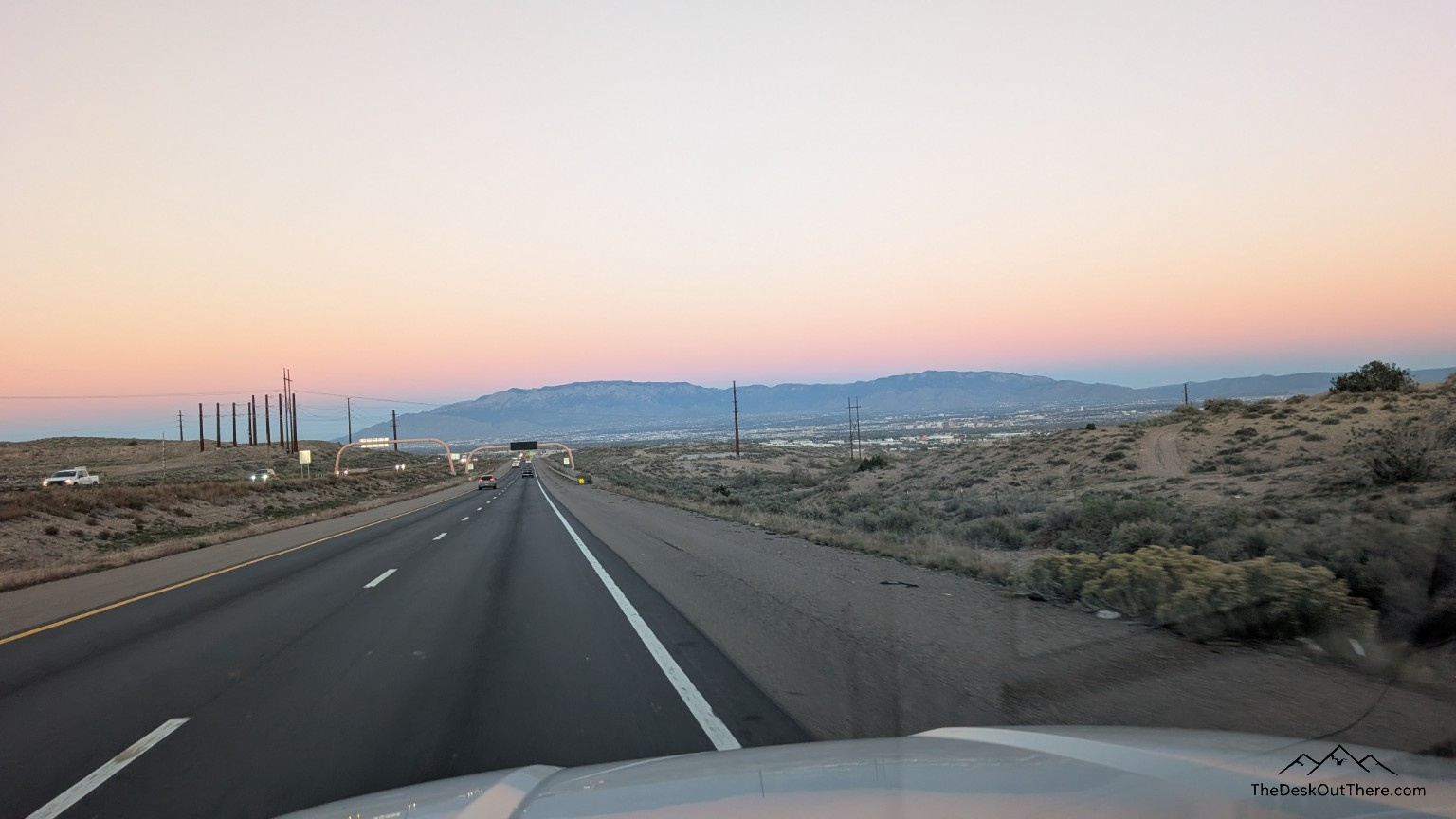
I tell my daughter sometimes that you have to put yourself a little outside your comfort zone. Not do something stupid, but stretch it a little. Arriving at a campsite after dark has always been outside mine.
It still isn’t my favorite thing.
But once you do something a few times, you realize, okay, I can handle this.
I got the camper set up, made a couple of simple turkey-and-cheese sandwiches because I was tired and didn’t feel like cooking anything complicated, talked to my wife for a while, and went to bed.
The next morning was Veterans Day, so I didn’t have to work. I got up early, had some breakfast, talked to my parents for a while, packed everything up, and enjoyed the view before leaving.
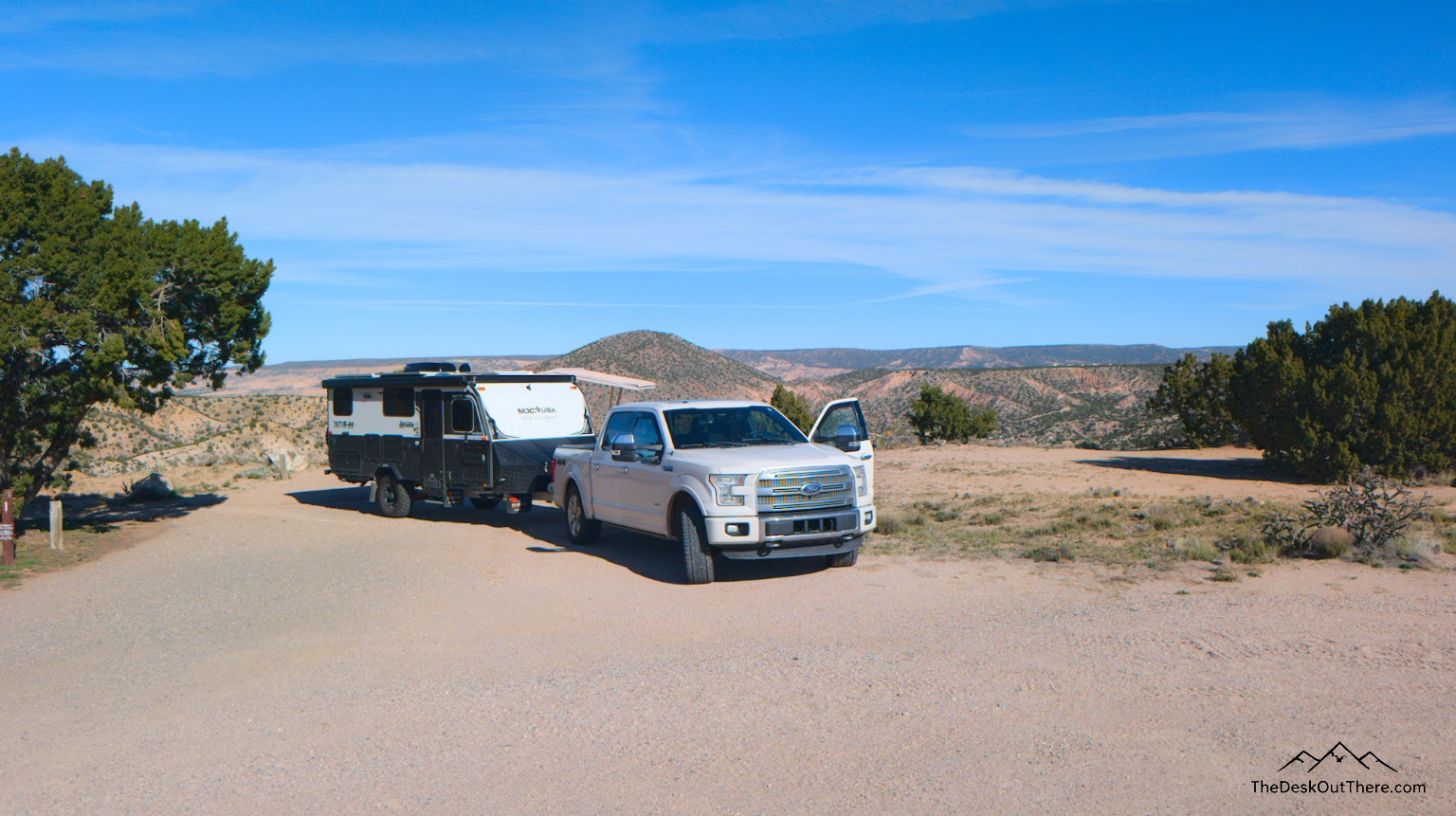
I didn’t really know exactly where I was going next.
I had a direction.
That has pretty much become the theme of this trip.
I have a rough plan for getting back to North Carolina, and I’m trying to keep the driving to around four hours a day. I don’t want to race home. I want to actually see the country change around me.
And it really does change.
Desert. Mountains. Pine trees. Open grasslands. Oklahoma and Kansas coming up. One landscape slowly gives way to another.
That day I also did something I’m glad I did once and probably won’t do again.
I ended up on about 12 or 15 miles of rough back roads and dirt roads through tiny towns and up into the mountains. It was beautiful, and it definitely made for a story, but when I think about the risk versus the reward—especially traveling alone with the camper—I’m not sure it was worth it.
Sometimes knowing you can do something is enough. You don’t necessarily have to do it twice.
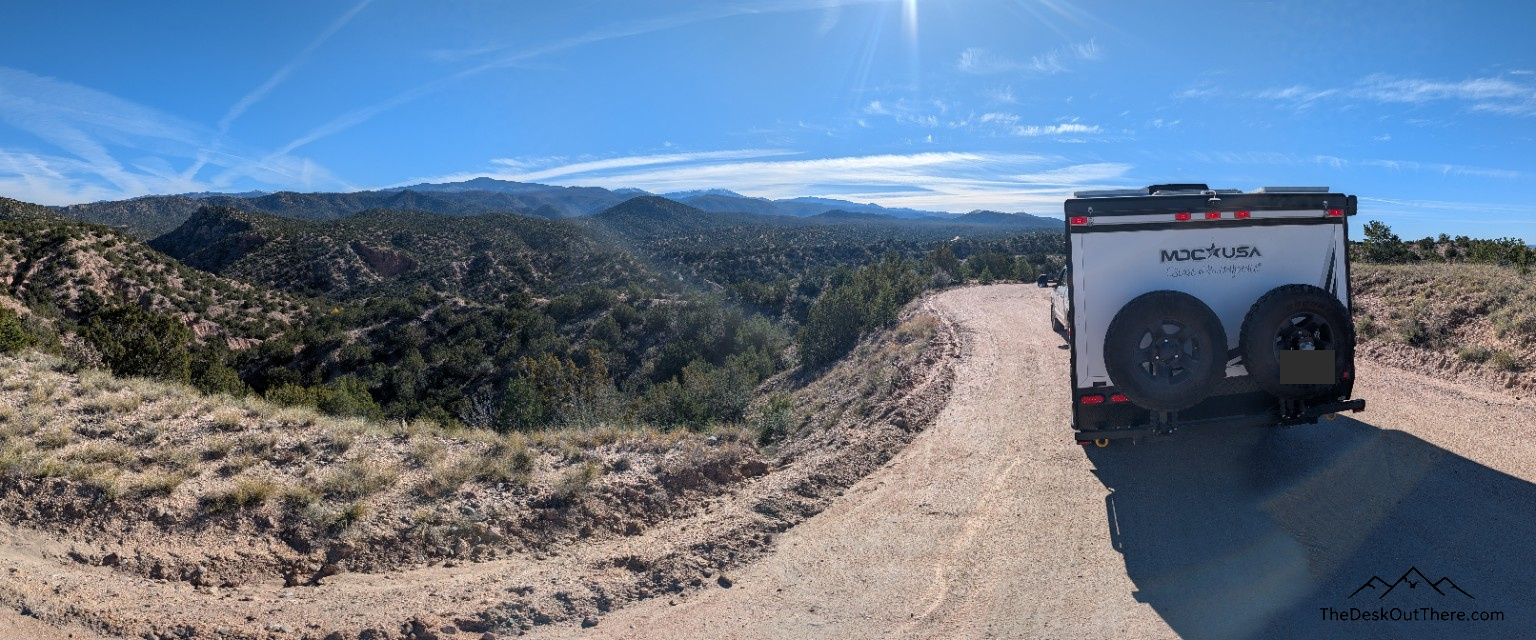
Then came the Rockies.
That was slow driving. Lots of curves, lots of engine braking, back and forth through the mountains, and I probably wasn’t going much more than 25 miles an hour in places.
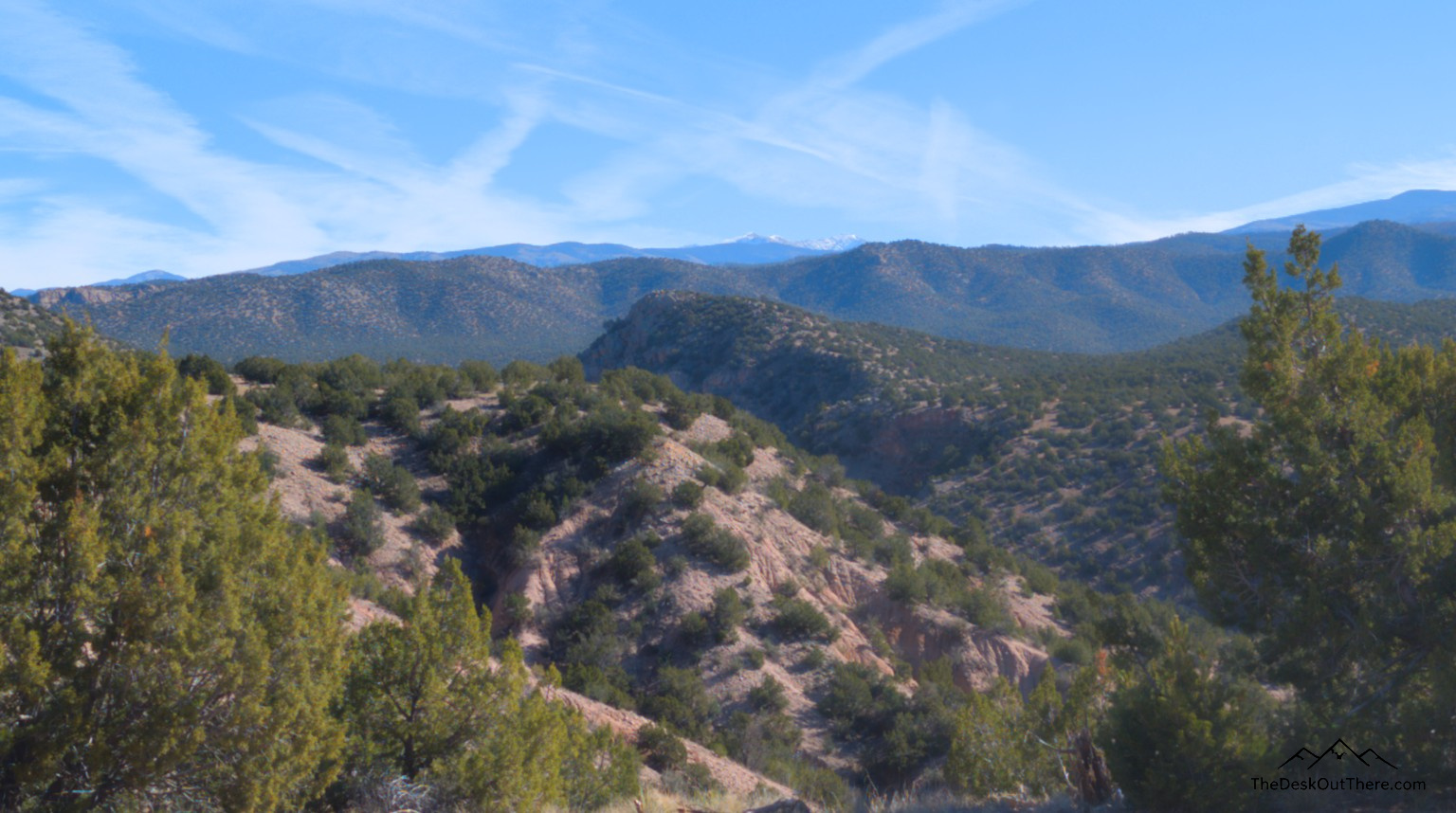
I passed through Eagle Nest, and the scenery after that was absolutely gorgeous.
There were mountains and rock formations where I kept thinking, I wish I could stop and take a picture of that.
But there wasn’t anywhere safe to pull over, and mountain driving with a trailer is not the time to be fooling around with a phone trying to take pictures.
So some of those views are just going to have to stay in my head.
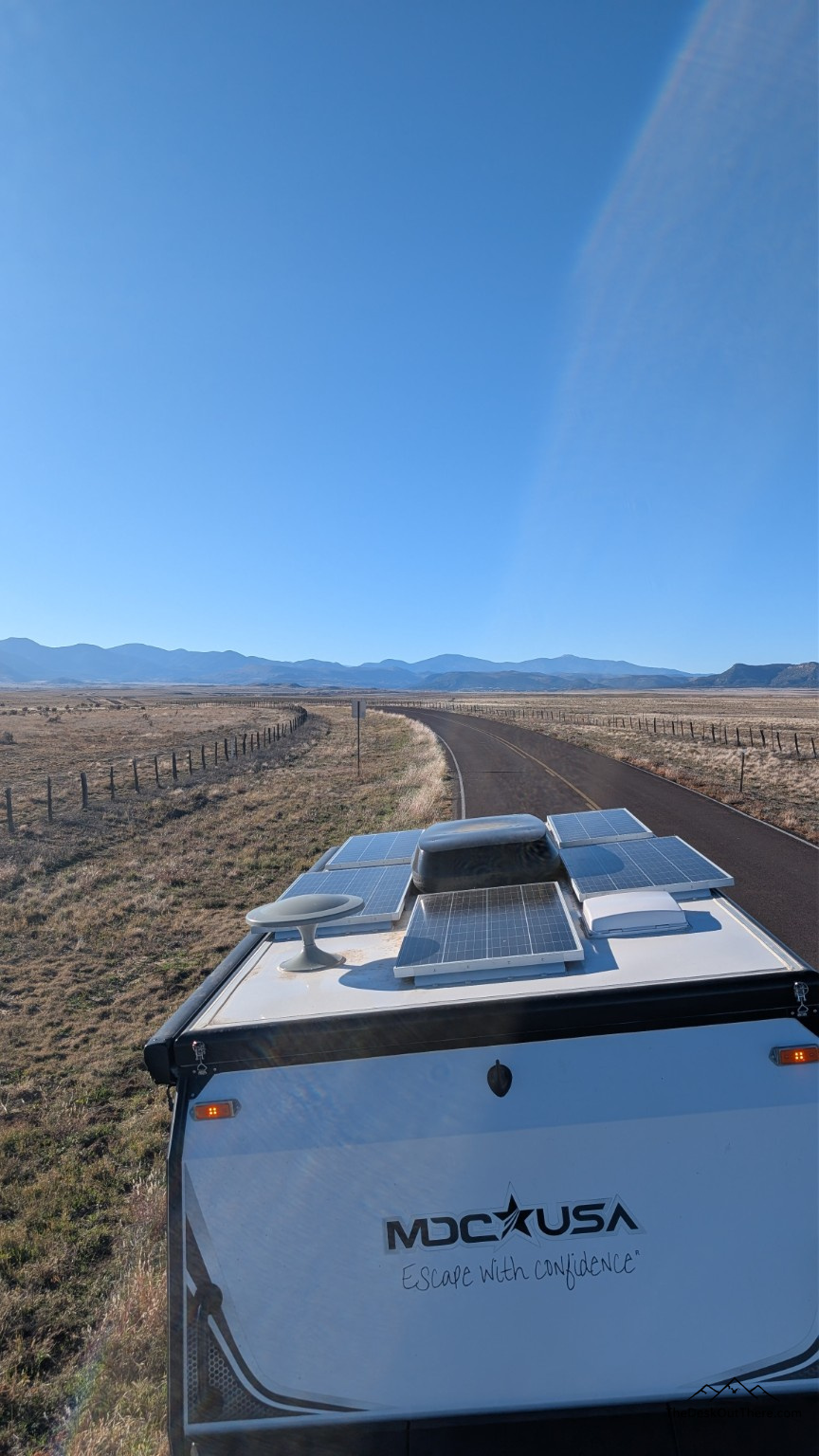
Eventually the road opened up into some of the most desolate country I’ve driven through on this trip. Long, straight roads where you can drive for what feels like forever and barely see another vehicle.
And I loved it.
It’s hard to explain how big this country feels until you drive across it this way.
I eventually made it to Clayton Lake State Park, where I ended up staying for two nights.
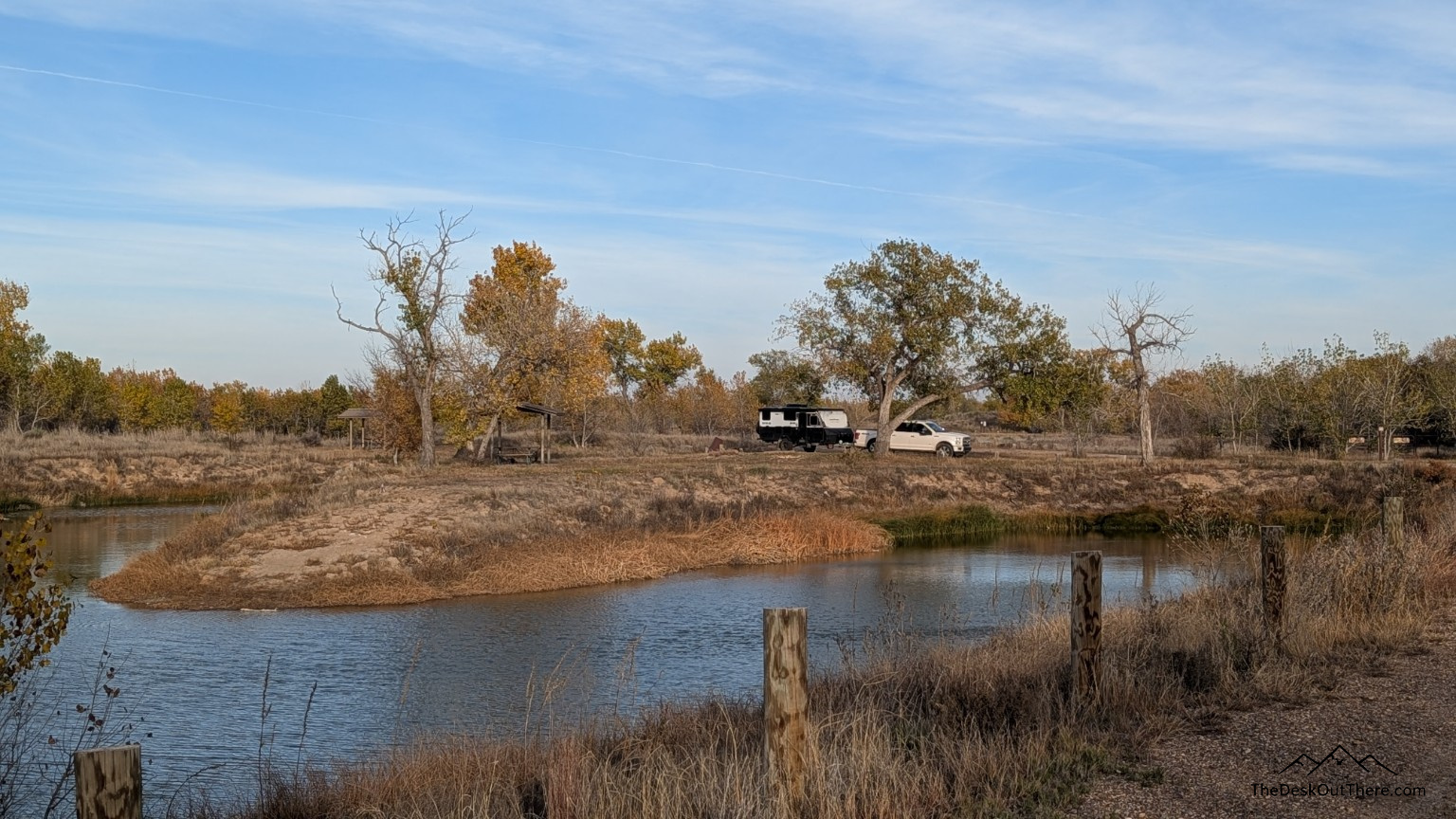
The first night was pretty simple. I got settled in and went to bed fairly early.
The next day was a workday, so I got up and worked from the camper. But instead of packing up afterward, I decided to stay another night.
That turned out to be a good decision.
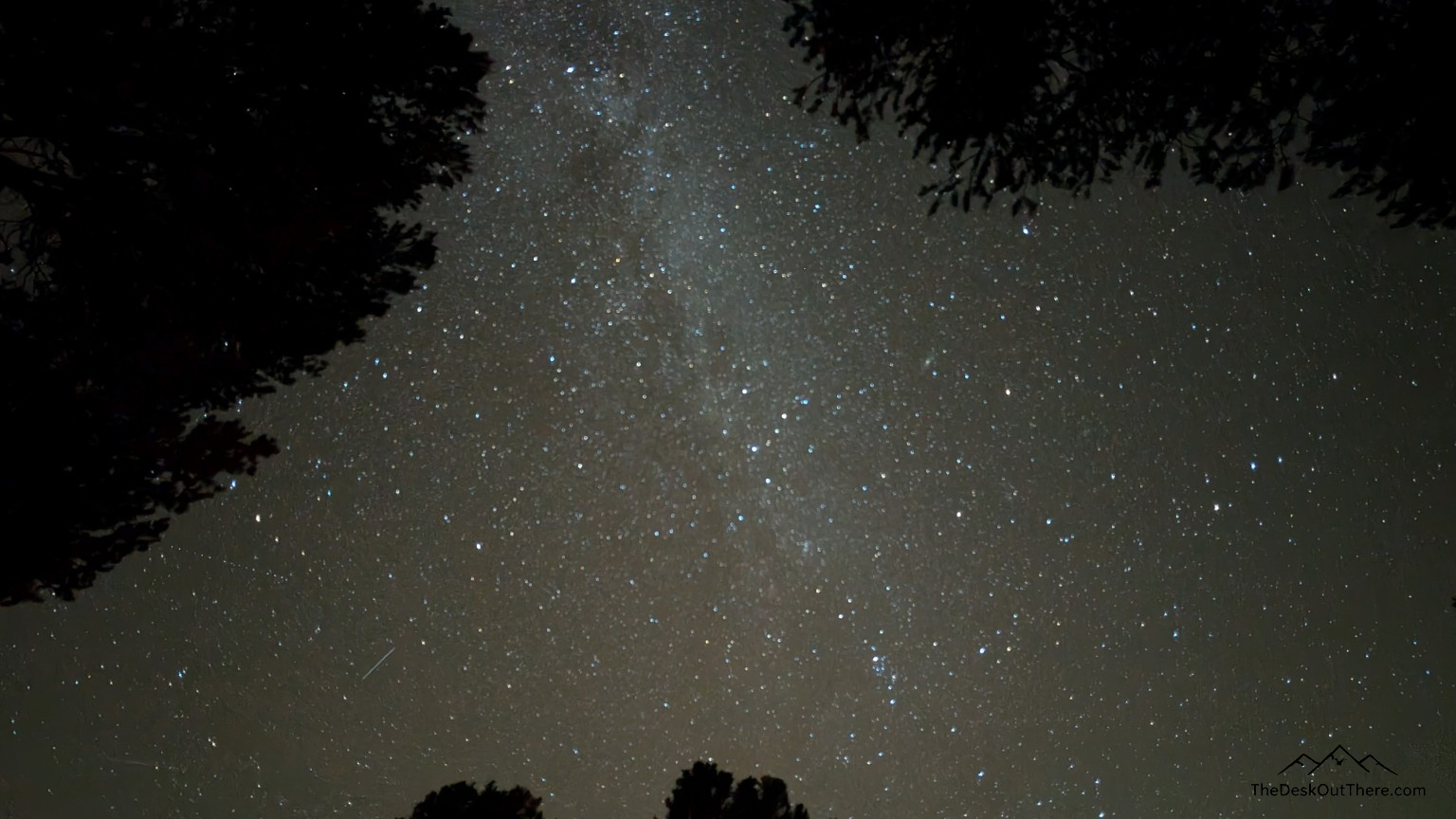
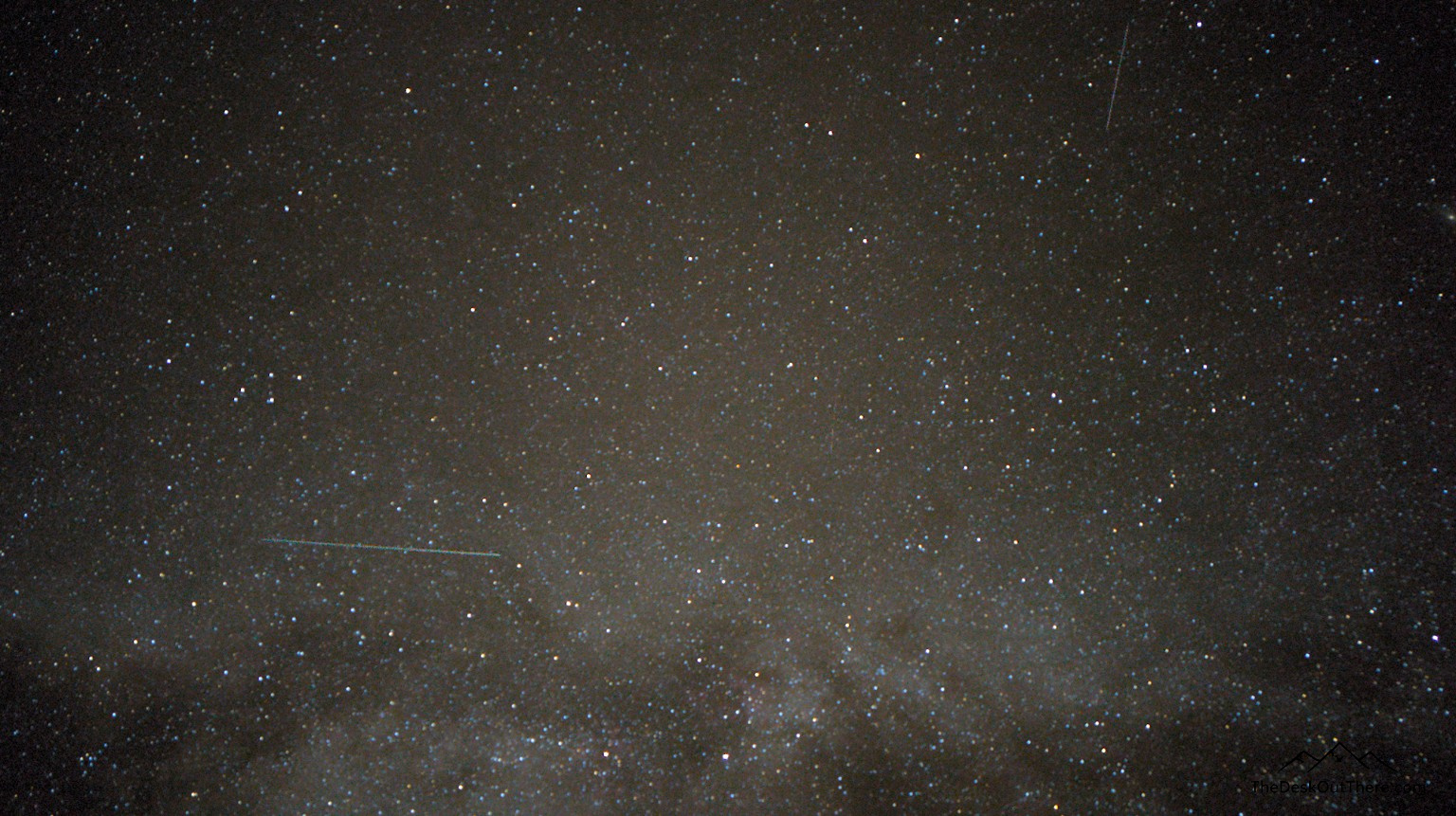
That evening I sat outside and watched the sun go down and the stars come out. There were no clouds. Just an enormous sky.
Absolutely beautiful.
And traveling in an RV has also made me appreciate things I never thought I would get excited about.
A real flushing toilet.
A real shower.
The park had both, and being able to take a long, hot shower felt like staying at a resort.
In the camper, a shower is basically a two-minute bird bath. Get wet, shut the water off, soap up, rinse, get out. You’re always thinking about how much fresh water you have and how much is going into the gray tank.
So standing under hot water without thinking about any of that?
Fantastic.
That night, sitting under all those stars, I had also been reading about what we’re actually seeing when we look up. NASA says most of the stars visible at night are dozens or hundreds of light-years away, so the light reaching us left those stars decades or centuries ago. Andromeda isn’t a star but a whole galaxy, and from a dark site it can be seen with the unaided eye. It’s about 2.5 million light-years away, which means the light we see from it tonight started its trip toward us about 2.5 million years ago.
You start thinking about time differently.
You start thinking about how short our own lives really are.
I’ve been thinking about that a lot on this trip.
I went through Petrified Forest and looked at trees that lived millions of years ago. I’ve driven across land where animals once roamed that no longer exist. Everything has a beginning and an end.
Lately I’ve started thinking about life almost like the leaves on a tree.
A tree might live a hundred years, but every year it grows a new set of leaves. They come out in the spring, grow through the summer, change in the fall, and eventually they’re gone.
One full cycle.
And maybe a human life is a little like that.
If I look at my own life that way, I don’t think I’m in winter.
But I’m probably getting into fall.
Maybe this whole thing is my midlife-crisis trip.
Who knows.
But if it is, there are worse ways to have one.
I’m happy I got to do this at least once in my life.
And I really hope I get to do it again.
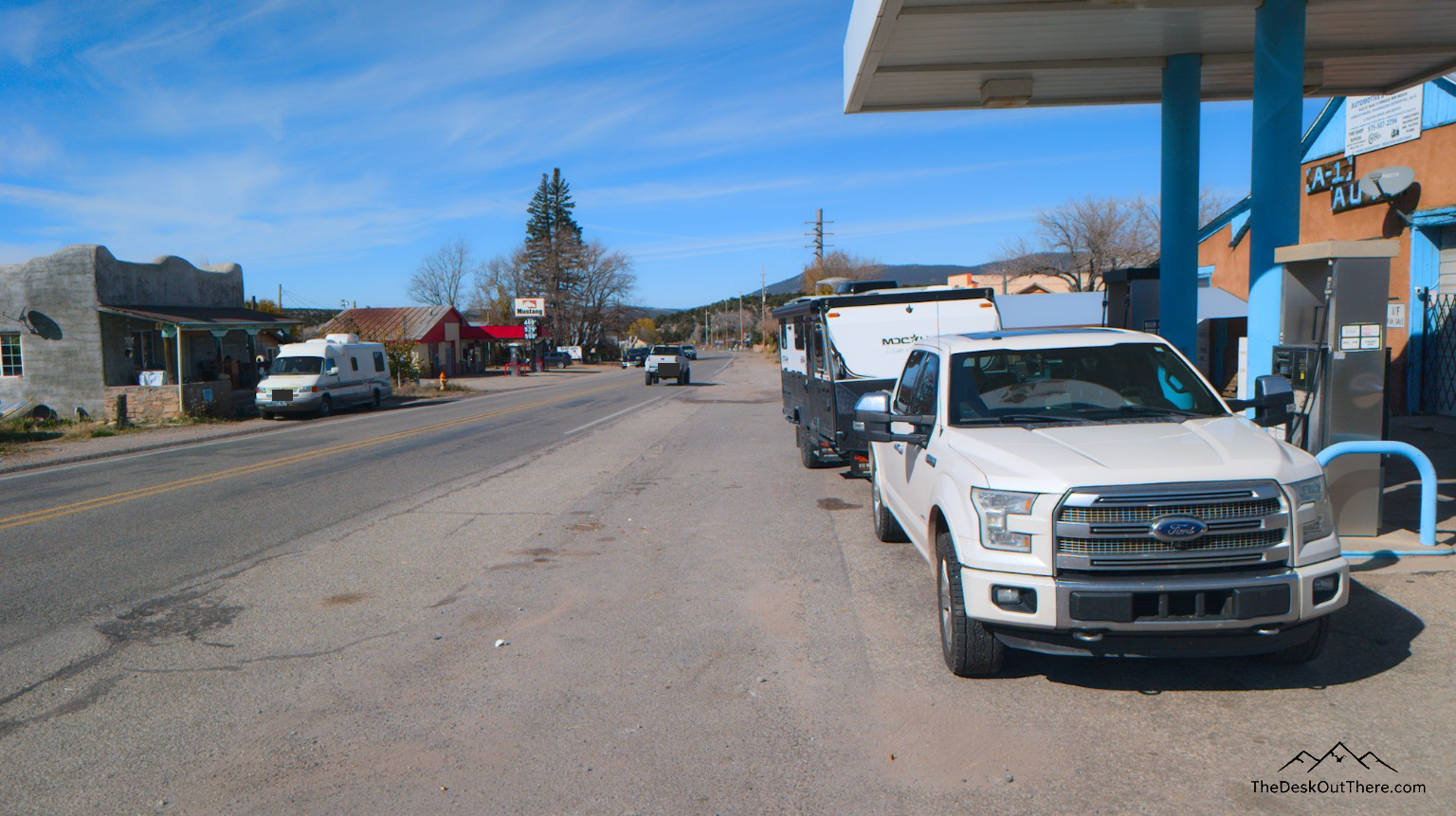
This morning I packed everything up and started moving east again. I filled the truck and made sure I had propane because the next few nights looked like they were going to get cold.
At night I’ve been turning the heat down to around 50 degrees. I don’t need the camper warm while I’m sleeping, but I do want enough heat to keep things from getting too cold and help protect the plumbing.
Then I headed east through Clayton, New Mexico.
Black Mesa had originally been the next stop, but I decided to skip it and keep moving toward home.
The plan is to stay out of Texas and take the back roads through Oklahoma and Kansas. No interstates for this part of the trip. Once I get back into North Carolina, I don’t mind taking I-40. I just don’t want the whole drive home to be a series of long days on the interstate.
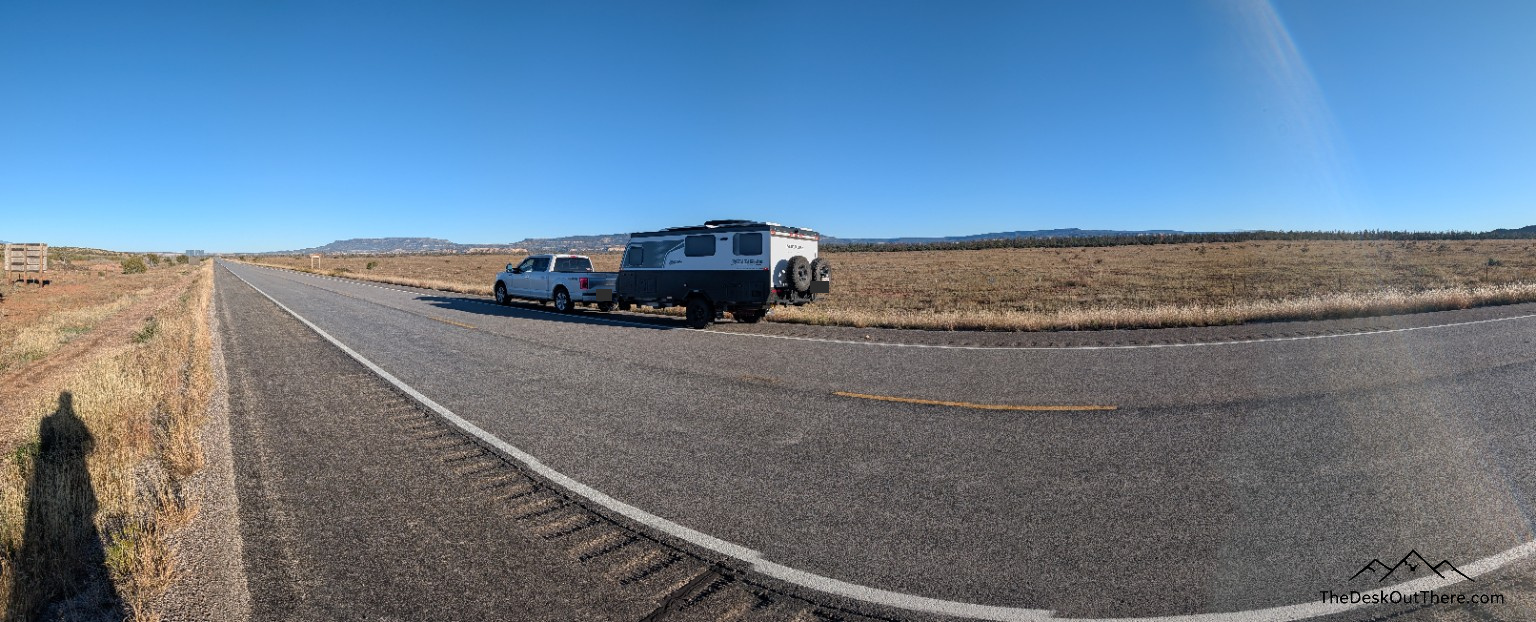
There were some really big bumps on one stretch of road. I wasn’t paying close enough attention, and they got my attention quickly. The roads were good after I crossed into Oklahoma.
And once I crossed into the Oklahoma Panhandle, one thing became very obvious.
Everything was flat.
I mean flat.
Flat as a pancake.
While driving, I asked ChatGPT about the history of the road. The route from Clayton toward Boise City runs through Santa Fe Trail country. Traders carried goods between Missouri and Santa Fe in the 1800s, when Santa Fe was initially part of Mexico. The Cimarron Route crossed this part of the Panhandle. It was shorter than the mountain route, but water was scarce. The old wagon tracks and the modern highway aren’t exactly the same route.
This part of Oklahoma was also called No Man’s Land. Between 1850 and 1890, the strip wasn’t attached to a state or organized territorial government. That was a gap in the government’s boundaries, not a claim that nobody had lived here.
Then we got onto the Dust Bowl. Boise City was hit by the Black Sunday storm on April 14, 1935. Looking at all this flat country, I wanted to know why it happened.
The explanation was a combination of drought and what had been done to the land. Prairie grasses had deep roots that held the soil in place. Millions of acres were plowed for crops, including wheat. When the drought came and crops failed, the exposed soil dried out. Strong winds picked it up and carried away the topsoil in enormous dust storms.
For now, I’m continuing through Oklahoma and Kansas, taking the back roads and keeping the driving to around four hours a day. I need to get home to North Carolina before Thanksgiving, but I don’t want to rush the rest of the trip.
History and astronomy references: National Park Service: Santa Fe Trail; Oklahoma Historical Society: No Man’s Land; National Weather Service: Black Sunday; NASA: Helio and You; NASA: Andromeda Galaxy.
The Guy Behind the Desk